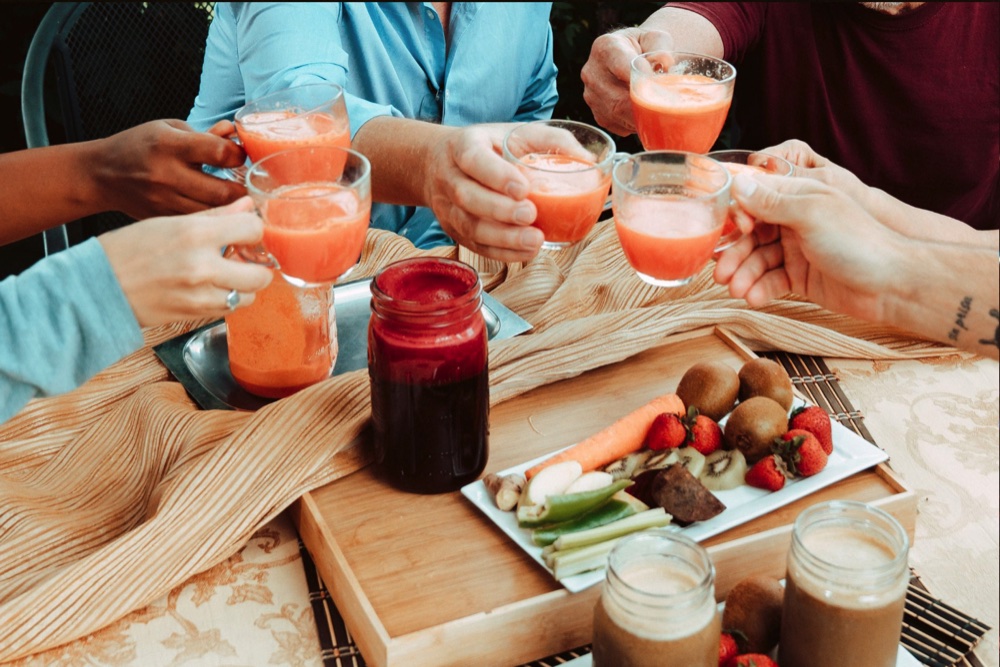
How Juice Fasting Can Reset Your Body (According to Science)
The idea of drinking only juice for days — or even weeks — sounds extreme to most people. Unnecessary. Maybe even dangerous.
But juice fasting is one of the oldest healing practices in human history. Virtually every traditional medical system, from Ayurveda to ancient Greek medicine, incorporated therapeutic fasting. And now, modern science is catching up, revealing the precise biological mechanisms that make fasting one of the most powerful tools for healing and renewal available to us.
I know this both as a practitioner and from personal experience. A five-week juice fast healed my chronic prostatitis — a condition conventional medicine could not resolve — and I lost 50 pounds in the process. That experience transformed my understanding of what the human body is capable of when given the right conditions.
Let me walk you through what the science actually says.
What Happens When You Stop Eating
To understand juice fasting, you first need to understand what happens biologically when you give your digestive system a sustained break.
Phase 1: Glycogen Depletion (Hours 12–24)
Your body stores glucose in the liver and muscles as glycogen. When you stop eating, these stores are used first. Within 12 to 24 hours, glycogen is significantly depleted, and your body begins shifting to alternative fuel sources.
Phase 2: Ketosis (Days 1–3)
As glycogen runs out, your body transitions to burning stored fat for fuel, producing ketone bodies in the process. This metabolic state — ketosis — is not just about weight loss. Ketones are a cleaner, more efficient fuel for the brain. Many people report enhanced mental clarity during fasting, and research supports this: ketones produce fewer free radicals than glucose when metabolized, reducing oxidative stress.
Phase 3: Autophagy (Days 2–4+)
This is where the magic happens.
Autophagy — from the Greek words meaning “self-eating” — is the body’s built-in cellular recycling program. During autophagy, your cells identify damaged, dysfunctional, or unnecessary components and break them down. The raw materials are then reused to build new, healthy cellular structures.
The 2016 Nobel Prize in Physiology or Medicine was awarded to Yoshinori Ohsumi for his discoveries on the mechanisms of autophagy, underscoring its fundamental importance to human health.
Autophagy clears out:
- Damaged mitochondria (through a related process called mitophagy)
- Misfolded proteins linked to neurodegenerative diseases
- Intracellular debris and pre-cancerous cells
- Inflammatory compounds
In simple terms, your body uses the fasting state to clean house at the cellular level — a deep maintenance process that rarely gets to run fully when you are eating three meals a day plus snacks.
Phase 4: Cellular Regeneration
When you break the fast and begin eating again, your body enters a regenerative phase. Stem cell production increases. New mitochondria are built to replace the damaged ones that were cleared during autophagy. The immune system is refreshed.
This cycle — breakdown followed by rebuilding — is what makes fasting a genuine reset rather than simply a period of calorie restriction.
Why Juice Fasting Specifically?
There are several types of fasting, each with different applications:
- Water fasting — The most intensive form. Nothing but water.
- Lemon water fasting — Water with lemon juice. Slightly easier to sustain.
- Juice fasting — Fresh vegetable and fruit juices. Provides micronutrients while maintaining a fasting-like metabolic state.
- Graduated fasting — A stepped approach that transitions gradually from normal eating to deeper fasting.
Juice fasting occupies a practical middle ground. It provides essential vitamins, minerals, and antioxidants while still allowing the digestive system enough rest to activate autophagy and the other healing mechanisms described above. The nutrient content also helps prevent the muscle wasting and electrolyte imbalances that can occur with water-only fasting, particularly during extended periods.
For most people — especially those new to fasting or dealing with chronic conditions — juice fasting is the safest and most sustainable entry point into therapeutic fasting.
What the Research Shows
The scientific literature on fasting has expanded dramatically in recent years. Key findings include:
- Reduced inflammation. Fasting lowers markers of systemic inflammation, including C-reactive protein (CRP) and pro-inflammatory cytokines. Chronic inflammation is implicated in virtually every modern disease, from cardiovascular disease to autoimmune conditions to depression.
- Improved insulin sensitivity. Fasting resets the body’s relationship with glucose, improving insulin sensitivity and reducing the risk of type 2 diabetes. One of my clients, Todd, reversed his diabetes entirely through lifestyle changes that included strategic fasting.
- Enhanced brain function. Fasting increases the production of brain-derived neurotrophic factor (BDNF), a protein that supports the growth and maintenance of neurons. Higher BDNF levels are associated with better memory, learning, and cognitive performance — and lower rates of neurodegenerative disease.
- Immune system renewal. Research from the University of Southern California found that prolonged fasting triggers stem cell-based regeneration of the immune system, clearing out old, damaged immune cells and generating new ones.
- Weight loss with metabolic preservation. Unlike chronic calorie restriction, which can slow metabolism over time, fasting cycles tend to preserve metabolic rate while still reducing body fat.
My Personal Experience
I do not recommend anything I have not lived.
Years ago, I was dealing with chronic prostatitis — persistent pelvic pain and inflammation that conventional treatments could not resolve. After extensive research and guidance from experienced fasting practitioners, I embarked on a five-week juice fast.
The results were beyond what I had hoped for. I lost 50 pounds, the prostatitis resolved completely, and my overall health transformed. My energy increased. My thinking became clearer. Chronic issues I had accepted as normal simply disappeared.
This experience became foundational to my practice. I have since guided hundreds of clients through juice fasts of varying lengths — from three-day introductory resets to longer therapeutic protocols — and I have seen remarkable outcomes. Conditions that had persisted for years began to resolve. People who had been told by their doctors that “everything is normal” finally experienced what actual normal feels like.
How to Approach Juice Fasting Safely
Juice fasting is powerful, which means it deserves respect and proper guidance. Here are essential principles:
Start with intermittent fasting. If you have never fasted before, begin with a 16:8 pattern — eating within an eight-hour window and fasting for sixteen hours (including sleep). This acclimates your body to using fat for fuel and makes longer fasts easier.
Use fresh, primarily vegetable-based juices. The goal is micronutrient density with minimal sugar. Green juices — celery, cucumber, kale, spinach, ginger, lemon — are ideal. Limit high-sugar fruits.
Stay hydrated. Drink plenty of water between juices. Herbal teas are also supportive.
Support your body with anti-inflammatory herbs. Turmeric with black pepper, ginger, and cinnamon can be added to juices or teas to enhance the anti-inflammatory benefits of the fast.
Do not fast alone. Especially for fasts longer than three days, work with an experienced practitioner who can monitor your progress, adjust the protocol as needed, and ensure you are fasting safely.
Break the fast gradually. How you re-introduce food matters as much as the fast itself. Start with broths, soft fruits, and steamed vegetables before returning to normal meals.
Is Juice Fasting Right for You?
Juice fasting is not appropriate for everyone. Pregnant or nursing women, people with certain medical conditions, and those on specific medications should consult with a qualified practitioner before fasting.
But for many people — especially those dealing with chronic fatigue, inflammation, digestive issues, brain fog, or excess weight — a guided juice fast can be a turning point. Not a miracle cure, but a biologically supported reset that gives your body the space and resources to begin healing itself.
If you are curious whether juice fasting might be the right next step for your health journey, start by understanding your current situation.
Take the free Vayda Wellness Quiz → to discover what your body needs most right now and whether a guided reset could be your path to renewed energy, clarity, and wellness.